
Last Updated: 2 weeks ago
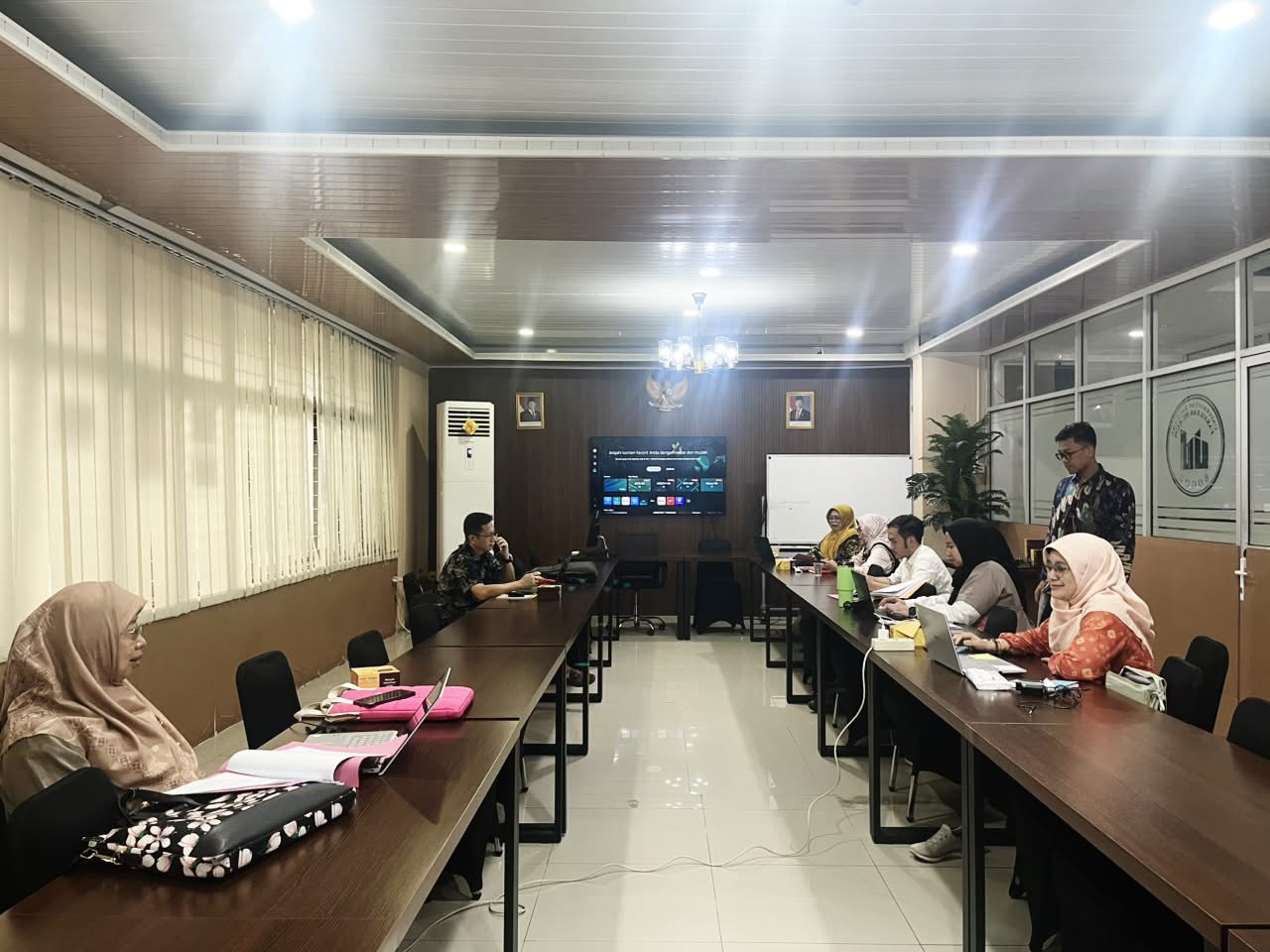
Bogor, June 25, 2026 - The Faculty of Law, Djuanda University, held a Curriculum Update Meeting for the 2026-2031 Law Study Period in the Faculty of Law Meeting Room, Building B, on Monday (June 25). This event represents the university's strategic move to produce law graduates who are adaptable to technology, ready to work, while still upholding local wisdom.
The meeting was chaired by the Dean of the Faculty of Law, UNIDA, Dr. Nurwati, S.H., M.H., and attended by the Vice Deans, Heads of Study Programs, and the curriculum development team.
In her remarks, Dr. Nurwati emphasized that this update is an ongoing effort to maintain the relevance of legal education to the needs of the times. "This curriculum update is not simply an adjustment to the credits. It is our mandate to produce law graduates who are competitive, have character, and are able to address the challenges of digital law, the creative economy, and land issues, which are leading sectors in the Bogor-Ciawi region." In this regard, he also emphasized the importance of synergy between education and the legal industry without abandoning the institution's identity. The curriculum must link and match the current needs of the legal industry, while still embracing Islamic legal values and Sundanese local wisdom as the core spirit of UNIDA graduates.
Three Main Pillars of the 2026-2031 Curriculum
Sharia and Local Wisdom: Maintaining the uniqueness of Sharia Economic Law by integrating Islamic legal values and Sundanese local wisdom into learning.
The meeting resulted in several important decisions, including:
The Head of the Law Study Program at the Faculty of Law, UNIDA, Rd. Yuniar Anisa Ilyanawati, S.H., M.H., added that this evaluation also took into account input from various parties, including alumni.
"Input from students and alumni is key to improvement. We identified that contract drafting and litigation skills remain a challenge for graduates. Therefore, we have now upgraded the 'Legal Drafting & Negotiation' course to a mandatory practical course."
This curriculum update aligns with UNIDA's Faculty of Law's commitment to supporting the implementation of Minister of Education, Culture, Research, and Technology Regulation No. 53 of 2023 concerning Higher Education Quality Assurance and accelerating the Independent Learning and Independent Campus (MBKM) program to improve the quality of graduates who are competitive nationally and globally.